Showing posts with label science. Show all posts

Thursday, September 23, 2010

Death by Caffeine

How much of your favorite energy drink, soda, or caffeinated food would it take to kill you? Take this quick test and find out: www.energyfiend.com/death-by-caffeine/
 
222.91 cans of Mountain Dew + You = Death.


It would take 316.77 cans of Pepsi-Cola to put you down.

Gulp down 83.02 cups of McDonald's Coffee (large) and you're history. 

  You could drink 150.47 cans of Red Bull before croaking.

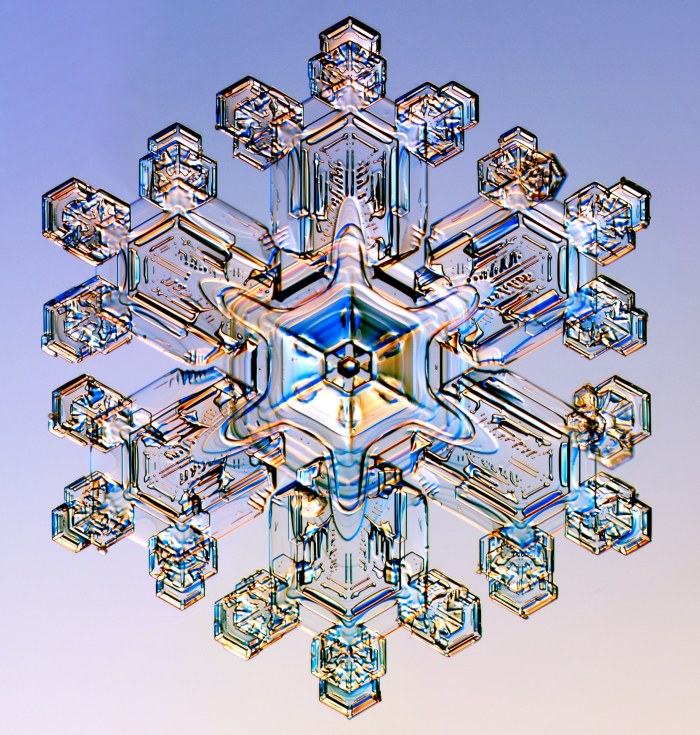
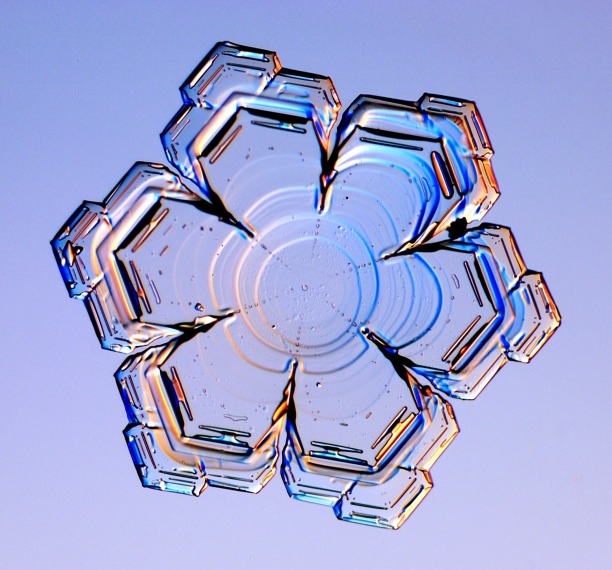
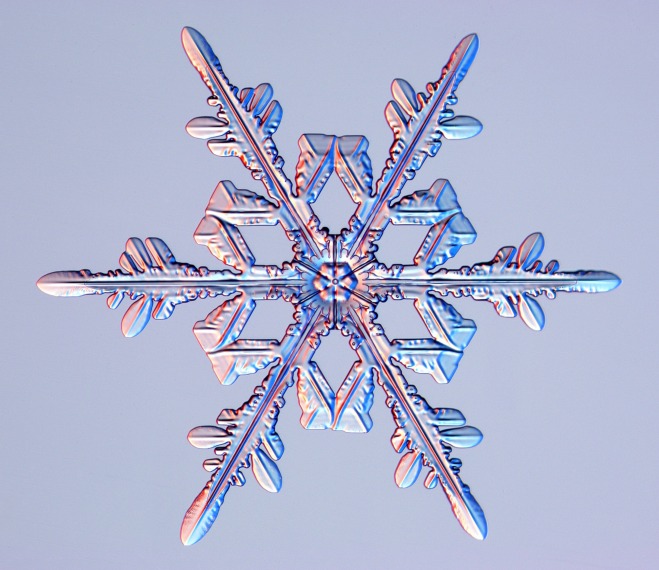
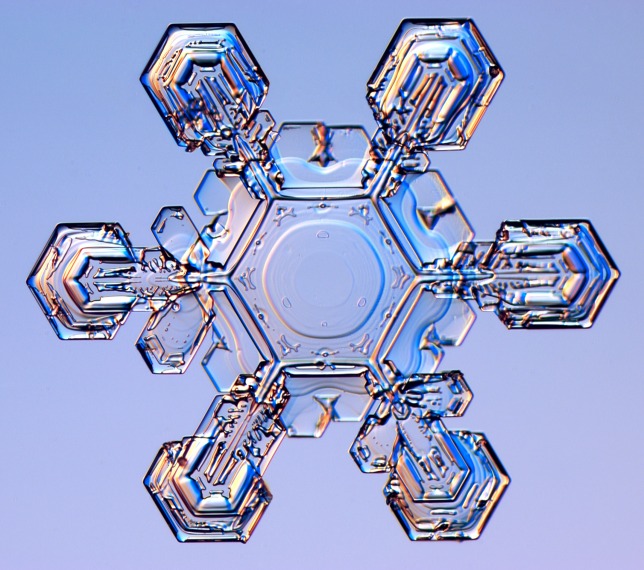
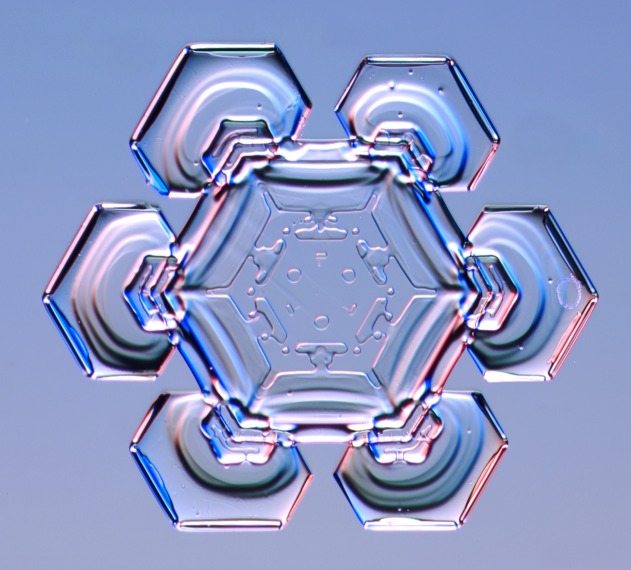
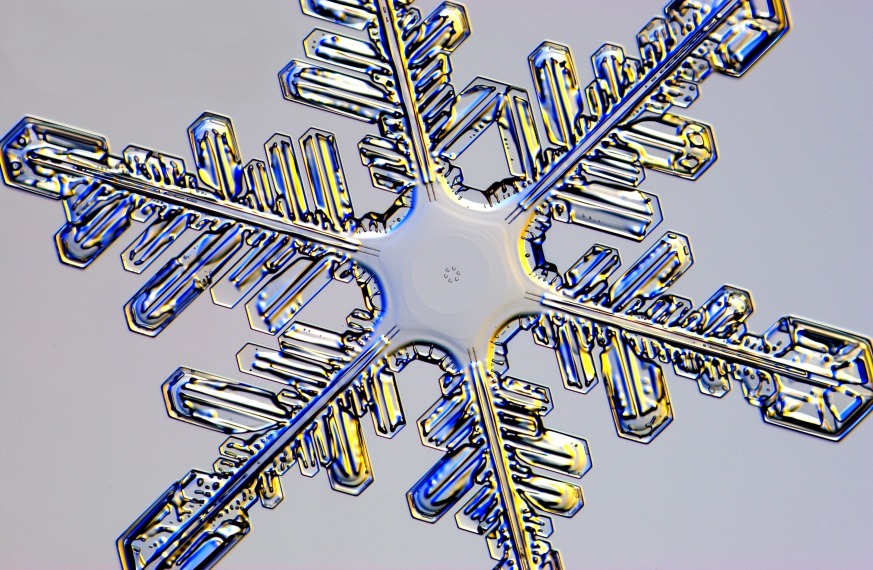
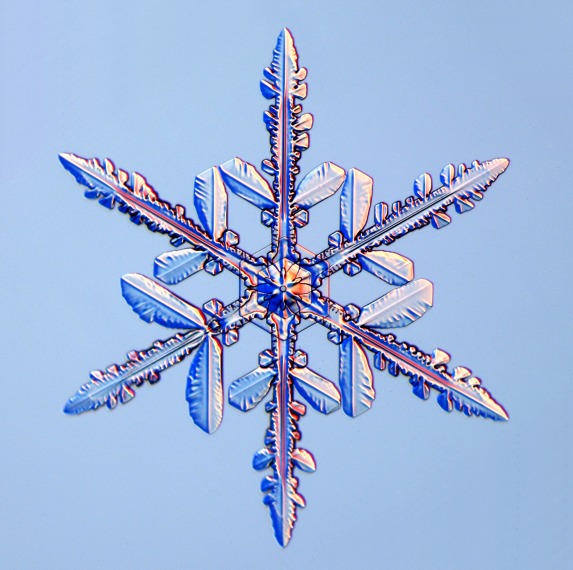
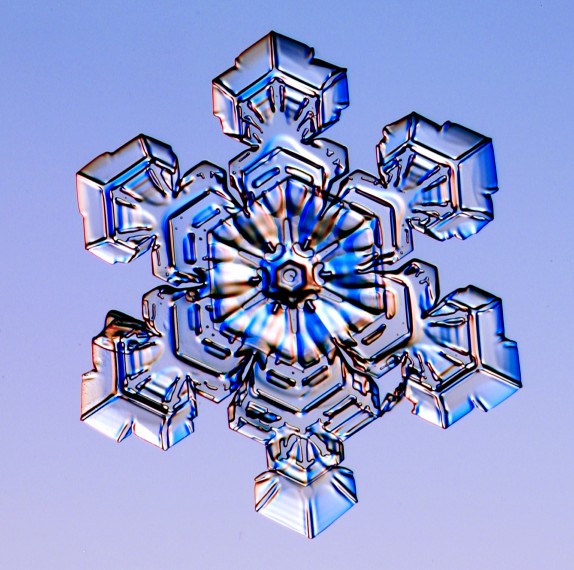
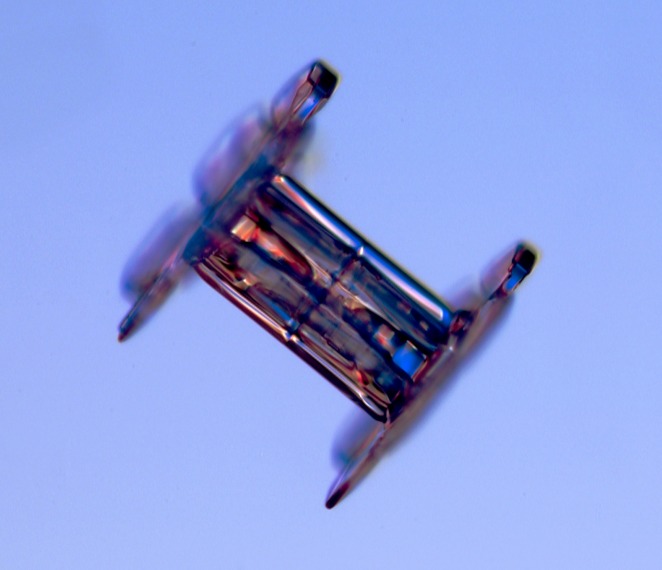
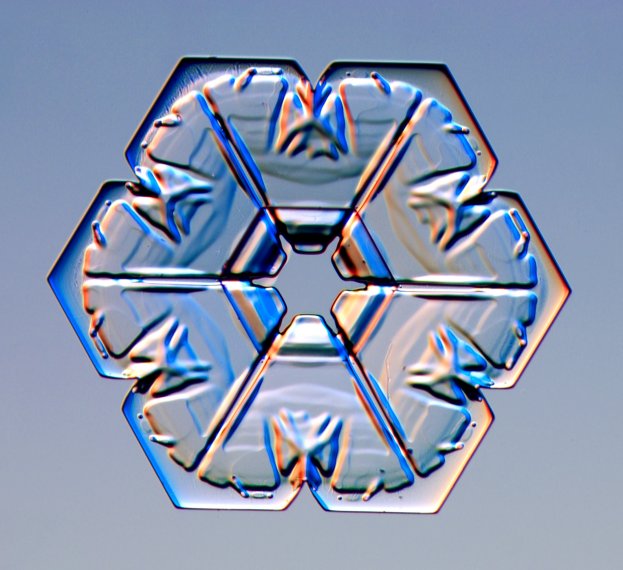
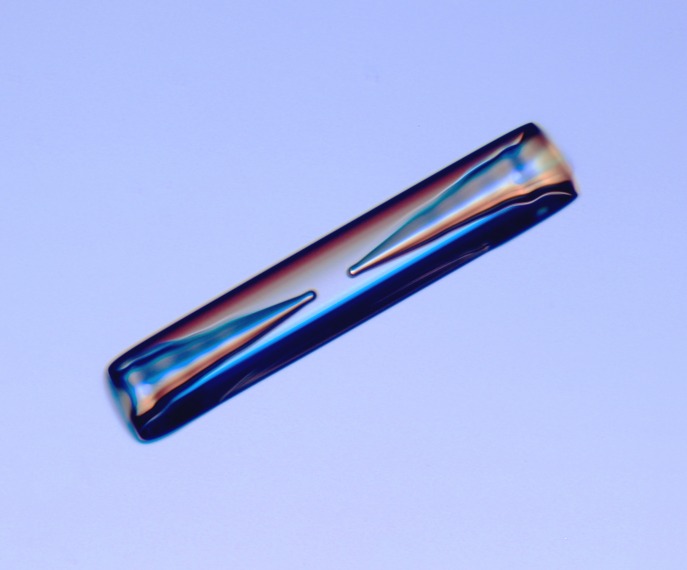
Snow Crystal Photos

... Capturing the fleeting beauty of snowflakes ...
These pictures show real snow crystals that fell to earth in Northern Ontario, Alaska, Vermont, the Michigan Upper Peninsula, and the Sierra Nevada mountains of California.  They were captured by Kenneth G. Libbrecht using a specially designed snowflake photomicroscope.


Thursday, August 19, 2010

☺ Personalized Drugs Made From Your Own DNA ☺

Ned nanosPhoto: argonne
Who else laughed, inwardly, when they read about the man who had a computer chip implanted in his arm, to turn on office equipment when he arrived at work? It sounded a bit gruesome, somehow, the idea of computers inter-acting with the human body - yet in medical terms, it could be the way of the future.
The book 'Our Molecular Future: How Nanotechnology, Robotics, Genetics and Artificial Intelligence Will Transform Our World', suggests that early successes in medicine could involve rebuilding parts of the human body.
For example, the printing of artificial skin on three-dimensional printers. Printers are now injected with self-assembling materials for growing human tissue. Skin is sprayed by ink jet printers onto sterile surfaces, where it then grows for later grafting.
NanoesPhoto: argonne
Growing skin may not be what is imagined as the future of medicine, but medical technology is advancing more quickly than most dreamed. Computing is now a thousand times faster than only ten years ago. Optical processing is used to manufacture devices that can perform up to eight trillion operations per second.
Genetic information has always been a problem area for the medical world, when it comes to diagnosing, or even forecasting illness, but that could very soon be changed completely. Now that 90% of the human genome has been mapped, medical science is beginning to have a much clearer idea of how genetics can influence a person’s health.
An example of this is the drug Herceptin, developed for the treatment of breast cancer. This is a tailored drug, because about one third of women with breast cancer have a genetic flaw which leads to their having overly high levels of HER2 – a receptor which encourages cancerous cell growth. Herceptin works specifically for these women, jamming the HER2, and allowing 65% of them to remain cancer free for longer than they otherwise would.
machoPhoto: jurvetson
Scientists have decoded the DNA of the malaria parasite and the mosquito that spreads it, opening the door to a vaccine against the disease that kills more than two million annually and sickens tens of millions more. Nanotechnology is in its infancy, but already IBM have successfully developed nano-size drug carriers for treating cancer.
Bed_bug_bites_and_sucks_up_bloodPhoto:
Each of these microscopically tiny 'pills' contain drugs that are only released when the diseased area has been reached. These nano-carriers are stable in normal physiological environments, but in slightly acidic environments like tumor tissues, they deform, releasing the enclosed drug molecules.
Such treatments could be standard for all diseases in the future, which is comforting given that the reality of modern drugs is far from reassuring. 80% of drugs in development will fail at some stage, and when you consider that the average development time can be anything from 7 to 15 years, costing $500 – 900 million a time, you start to worry a little. Add to this the awful statistic that 20 – 40% of people don’t respond to their prescribed drugs, and the alarm bells ring even louder.
Even the top twenty drugs cannot cure cancer, aids or heart disease, and with two million people being hospitalized each year, and 100,000 dying from complications which arise through the taking of drugs, it seems vital that the medical world explore any available option for more effective treatments.
It has been estimated that the knowledge contained within the map of the human genome could accelerate drug development times dramatically, possibly by as much as 50%, but don’t be fooled into thinking that this makes life easier for the researchers. A major stumbling block will be the diversity of gene combinations, which can give rise to different illnesses.
In the beginning, it was thought that humans had about 100,000 genes, but it is now known that the number is considerably less, at between 30 and 40,000. This is likely to mean that no single gene will be coded for one protein, but several, and since the proteins are the pivotal essentials for the working of our bodies, their malfunction causes disease.
Drug companies aim to ‘target’ proteins, by blocking or encouraging the way they work, but since they currently target only 483 of a possible 35,000, it’s easy to see that a lot of work still needs to be done. What is really needed is a clear understanding of the way that proteins interact with the body, and indeed exactly how human cells work..
treatPhoto: argonne
Dr. George Milne, of Pfizer pharmaceuticals in New York, says: “I liken it to thinking about a crossword puzzle. If you just assign 32 across with no other information, you can slog away and give up, but if you look at 31 down and fill in some letters, you begin to advance. I think that’s where we’re at now.”
nanoesPhoto: jurvetson
It will take many years yet before the possibility of personalized drugs becomes reality, but we may indeed reach a point where the whole of your individual genome information could be stored on a chip, and implanted into your body. On visiting the surgery, the doctor could scan it, using the technology to prescribe drugs tailor-made to your particular needs.
It sounds like science fiction, but there seems little doubt that it will become fact in due course. The down side to it may be the cost. With drug development costing so much, are the pharmaceutical giants going to be willing to spend vast sums on cures that may only work for a very small percentage of people?
In the end, there will always be those patients with the financial clout to afford this treatment, and they will most likely reap the benefits first, for a time, while the rest of us make do with ‘off the shelf’ preparations. Society as a whole will need to re-think its attitude to the whole question before these treatments become generally available.
In spite of the mountain of research still needed, and the obvious pitfalls ahead, medical science is keen to pursue the use of the genome for personalized drug treatment, and it seems clear that this would be an enormous leap forward for medicine. No doubt the treatment will never be 100% personalized – that’s too much to expect – but it will make diagnosis easier, and improve the quality of life for many.
wirePhoto: jurvetson
Professor Eric Lander, of the Whitehead Institute in Massachusetts, and a major participant in the Human Genome project says: “It was nuts 15 years ago to say we’d do the Human Genome project. We have to turn drug discovery from a high-risk art to high-level engineering. Mapping 35,000 proteins was not trivial, but it was just work. A century from now we will look back and say ‘Boy, it was hard the way they did things then’
One day, in the not too distant future, your medicines could be made to measure exactly as your clothes are now, all because that medicinal computer chip, lying unnoticed under your skin somewhere, can tell the doctor almost everything he needs to know. If the reality is as good as the theory, we all have something to look forward to.
© tonyleather

Tuesday, August 17, 2010

இ This Is the Warmest Year Ever Recorded இ


There's never been a hotter year than this year. The National Oceanic and Atmospheric Administration has been tracking temperature measurements for both the water and the land since 1880, and so far 2010 is registering at about one degree above the 20th century average. Pretty, possibly apocalyptic pictures after the jump.
temperature anomalies january to july.jpg

Canada and the Northeast have experienced the most unseasonably warm temperatures in the year to date.
temperature anamolies july 2010.png

While Russia, which has been aflame for the past month, was by far the warmest its ever been in the month of July, with Moscow's previous high temperature being eclipsed by a full four degrees when the mercury hit 102 on July 30.
Happy miserable summer, everyone!

Monday, August 16, 2010

☂ The Perseid meteor shower ☂


A meteor streaks past stars in the night sky over Stonehenge in Salisbury Plain, southern England August 12, 2010. The Perseid meteor shower is sparked every August when the Earth passes through a stream of space debris left by comet Swift-Tuttle. 
REUTERS/Kieran Doherty


A meteor streaks past stars in the night sky over El Torcal nature park reserve in the southern Spanish town of Antequera, near Malaga, early August 13, 2010. The Perseid meteor shower is sparked every August when the Earth passes through a stream of space debris left by the comet Swift-Tuttle. Picture taken using a long exposure. 
REUTERS/Jon Nazca


The night sky over a beach in Cancun, Mexico, is pictured August 12, 2010. Star-gazers will be hoping for clear skies overnight on Thursday when one of the year's most spectacular meteor showers reaches its climax. The Royal Astronomical Society said debris from the Swift-Tuttle comet will burn up in the Earth's atmosphere, creating between 60 and 100 shooting stars every hour. This picture was taken using long exposure. REUTERS/Gerardo Garcia

Sunday, August 15, 2010

¶ The Universe's Youngest Star is Born 

Star-Birth Clouds in M16Photo: jeffmcneill
Call it slapping hydrogen gas on its proverbial butt. A team of American and German astronomers has announced its observation of the youngest known stellar object ever, according to a paper published in the most recent issue of The Astrophysical Journal. The fledgling star bears the poetic name L1448-IRS2E and was observed developing in the Perseus star-forming region, 800 million light years away. Stellar objects of this age are notoriously difficult to observe because they are not yet true stars and do not give off much light. The team of astronomers discovered L1448-IRS2E by detecting radiation emitted by dust surrounding the object.
PIA03545: Chaotic Star BirthPhoto: NASA/JPL-Caltech/Harvard-Smithsonian CfA
A group of young stars in the Perseus constellation.
Stars form out of molecular clouds like the one at the top, when an overdense area of hydrogen begins to collapse under the influence of gravity. As the clump of gas becomes more massive, it begins to draw in gas and dust from the surrounding area. This "prestellar" phase lasts until the object forms a core that is dense and hot enough to fuse hydrogen into helium. It can then be called a protostar. Due to high-velocity streams of gas being ejected from its center, L1448-IRS2E is believed to have passed the prestellar phase; however, it is not emitting enough light to truly be called a protostar.
PIA05202: Supernova Blast Bonanza in Nearby GalaxyPhoto: NASA/JPL/Hubble
Star birth activity in the red dwarf galaxy NGC 1569.
The object was originally discovered using Nasa's Spitzer Space Telescope and the Submillimeter Array in Hawaii. The team plans to continue observing with the newly launched Herschel telescope and hopes that its research will shed some light on the mechanics of early stellar evolution.

∆ Was There Once Life on Venus? ∆

VenusPhoto: NASA
Venus, thrust into the spotlight by the Venus Express satellite
Of our two planetary neighbors, Mars was always the favored child, making headlines year after year as scientists alternately bolstered and debunked claims of its habitability. Meanwhile, Venus sat idly by - gaseous and fuming, nothing but a bright "star" in the early morning and evening skies. But all that might be about to change. For the last four and a half years, the Venus Express satellite has been gathering data that suggests that, at one time, the gassy planet may have supported liquid water.
Venus and Earth are perhaps more similar than scientists once thought
Today, Venus is an oppressive and stormy place. With an ambient temperature hot enough to melt lead, surface pressure comparable to the depths of Earth's oceans, and an atmosphere composed mainly of carbon dioxide and sulfuric acid, Venus is an inconceivably inhospitable place for life to thrive. However, this was not always the case. The Venus Express satellite has detected large amounts of hydrogen and oxygen escaping into space from the Venusian atmosphere; more specifically, two molecules of hydrogen for every one molecule of oxygen. Sound familiar? It should. Liquid water, or H2O, shares this exact ratio and evaporates into its constituent gases when struck by UV light from the sun. Current researchimplies that most of this water was probably atmospheric, but it does not rule out the possibility of ancient oceans on the Venus' surface. Water is thought to be a crucial ingredient for the evolution of carbon-based life forms, making the existence of standing water on Venus at some point in history appealing to astrobiologists studying the origin of life in the solar system.

Saturday, August 14, 2010

✤ The Most Colorful Desert on Earth ✤

charamel2Photo: Andy Cardiff
After taking a closer look you’ll realize the seven colors are very real. But this unusual coloring of the hills at Chamarel isn’t their only bizarre trait.
The coloured earths of Chamarel were promoted as Mauritius' first tourist attraction back in the 1960s. Even today souvenir test-tubes containing the multi-coloured earth can be bought from beach vendors and tourist boutiques, or from the yellow-roofed administration building at the entrance to the site. The land belongs to the Bel Ombre Sugar Estate and a small entrance charge is made to visit. An example of the horizontal mill, like a giant's washing mangle, lies in front of the administration building. It was introduced by Charles Telfair, one of Bel Ombre's first owners.
Coloured+Sands+of+Chamarel,+MauritiusPhoto: joysmith7mr 
Sunrise is the best time to see the Colored Earths. Geologists are still intrigued by the rolling dunes of the multi-coloured, moon-like landscape.
The colors, red, brown, violet, green, blue, purple and yellow never disappear in spite of torrential downpours and adverse climatic conditions. The phenomena has never been fully understood but it is believed the soil is composed of mineral rich volcanic ash.
charamel4Photo: mariaone
The Colored Earths remain one of the most popular sights on the island. This unusual geological phenomena was formed when volcanic rock cooled at different temperatures, in multicolored layers.
Coloured+earths+of+ChamarelPhoto: Paulnew
Rains have shaped the rock into small hills that look like dunes of sand and, the first time you look at them, it will seem like the colors are actually just shadows.
Coloured+earths+of+ChamarelPhoto: www.soulsurfers.info   
Coloured+earths+of+ChamarelPhoto: Shoestring
Geologists have been fascinated with the Colored Earths ever since they were first discovered, but haven’t yet been able to explain why they never erode in spite of being exposed to harsh elements and torrential rains.
The Colored Earths of Chamarel also have the unique property of settling into layers. If you take a handful of each of the seven-colored sands and mix them together, they will eventually separate into seven different colored layers.